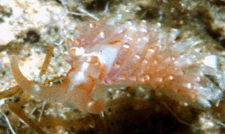
Eolid Nudibranchs
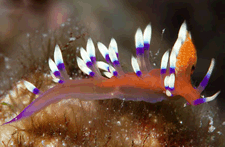
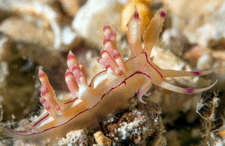
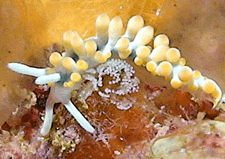
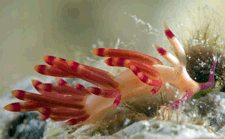
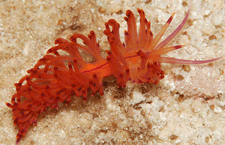
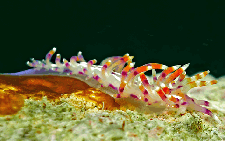
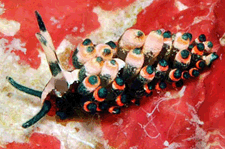
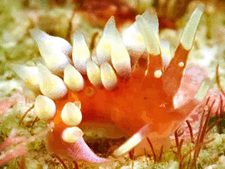
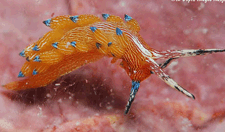
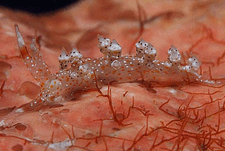
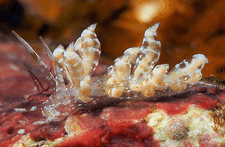
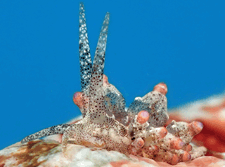
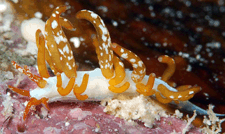
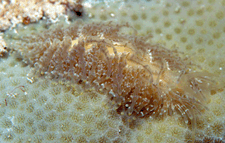
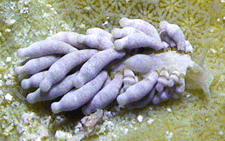
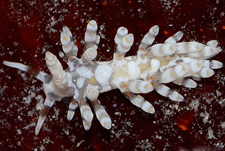
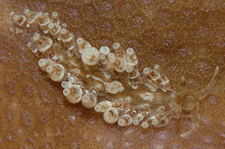
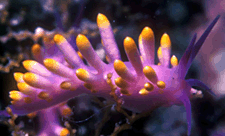
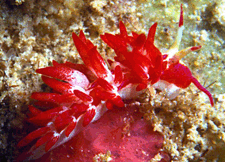
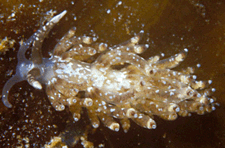
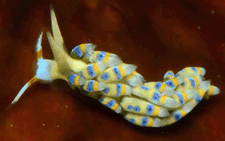
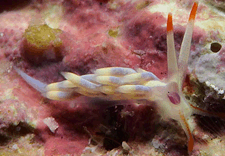
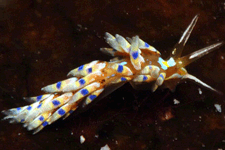
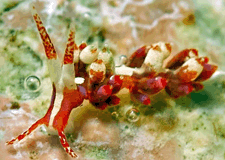
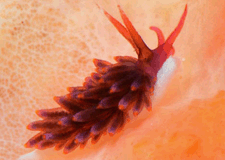
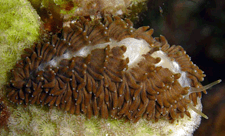
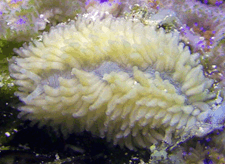
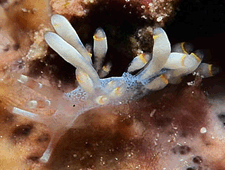
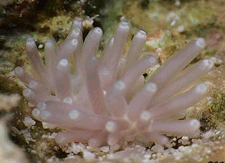
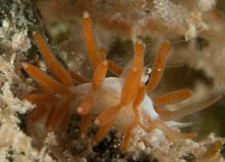
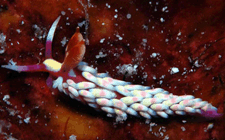
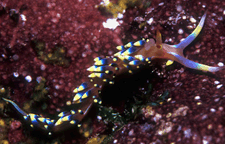
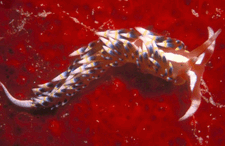
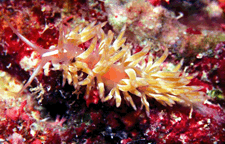
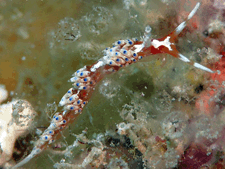
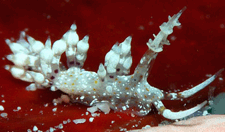
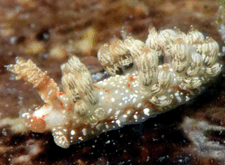
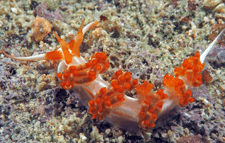
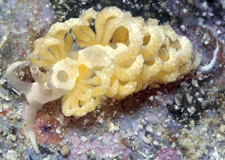
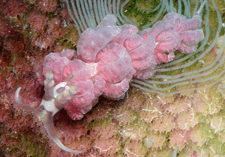
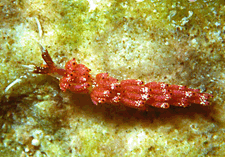
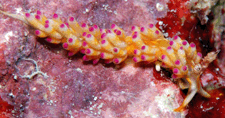
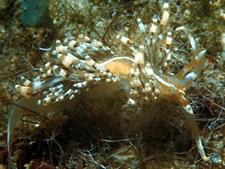
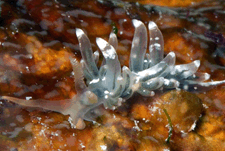
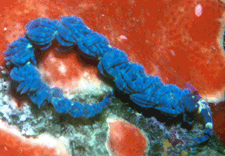
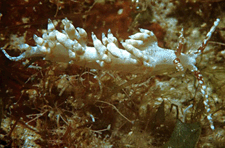
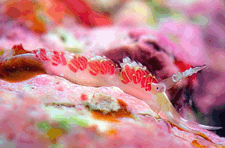
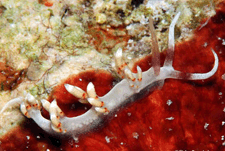
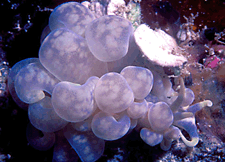
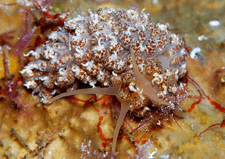
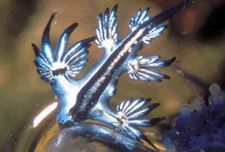
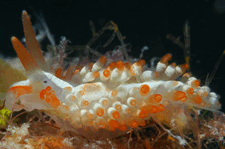
The eolid nudibranchs do not have specialized naked gills like the dorids. Instead, they usually have multiple paired rows of dorsal processes called cerata. While they do greatly increase the surface area of the nudibranch for respiration, they often also function in defense. Most eolids are specialized feeders on cniderians, otherwise known as corals and their relatives. Cniderians usually have stinging cells called nematocysts to catch prey or try to deter predation. This defense doesn't keep them from being eaten by nudibranchs, but many of the nudibranchs are able to take those nematocysts from their prey and use them in their own defense. They somehow keep from digesting the nematocysts they ingest along with their prey's tissue and move those stinging cells through branches of the digestive system that extend up into the cerata. There, in the tips of the cerata, the nematocysts are put into place and cause the nudibranch to become as effective at stinging potential predators, usually fish, as are the cniderians themselves. Some eolids eat hydroids, others eat anemones or hard or soft corals. One even eats the dreaded Portuguese man-o-war. Some, however, eat harmless prey without nematocysts, and these species often rely on camouflage to protect themselves. As in the other nudibranch groups, there is some fascinating biology going on behind the scenes that makes the eolids much more than just attractive photo subjects.
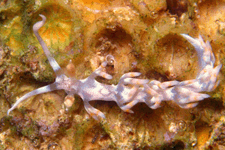
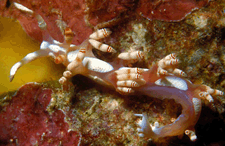
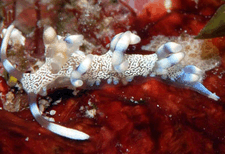
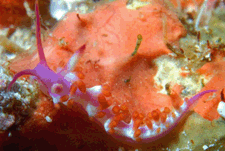
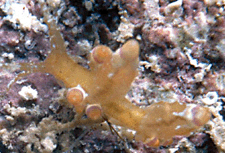
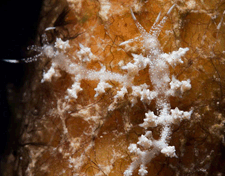
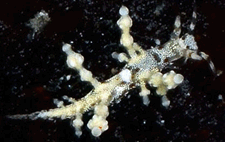
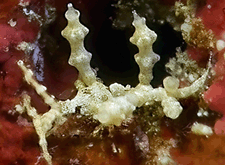
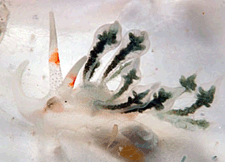
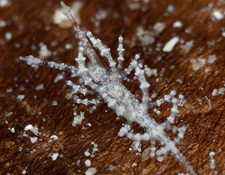
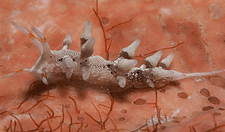
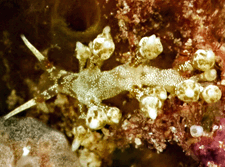
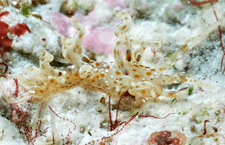
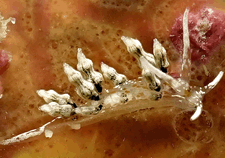
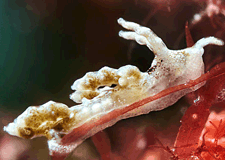
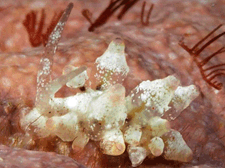
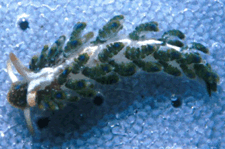
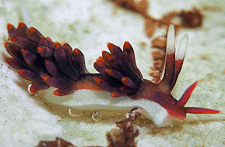
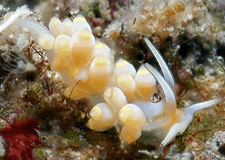
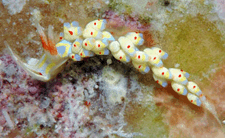
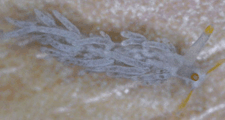
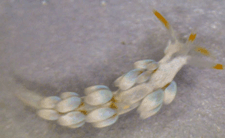
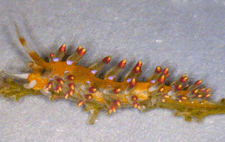
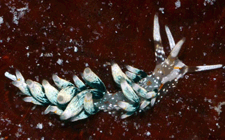
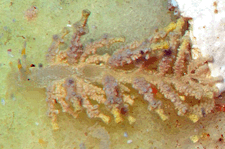
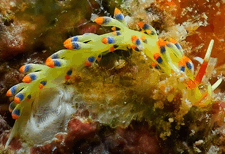
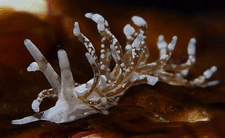
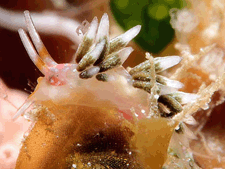
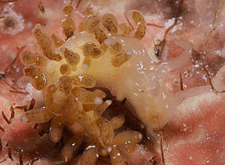
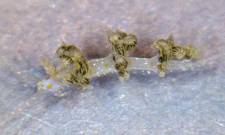
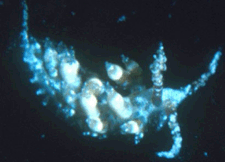
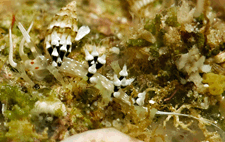
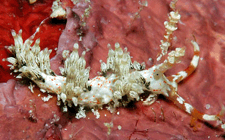
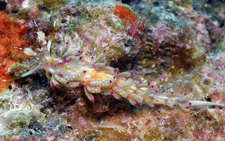
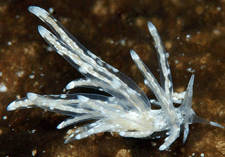
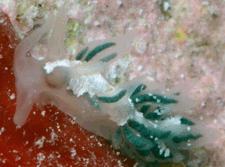
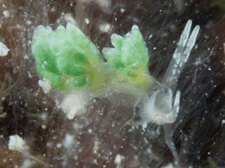
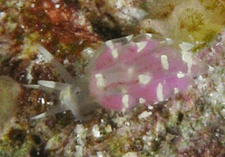
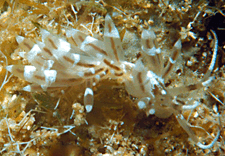
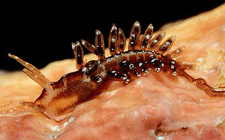
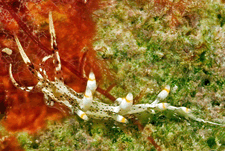
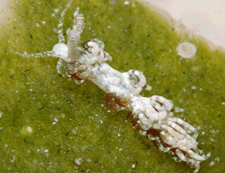
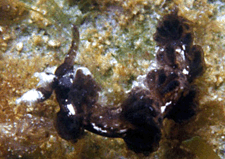
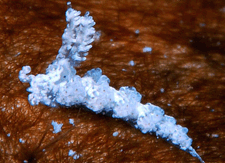
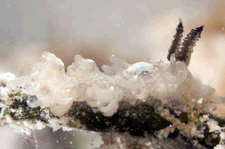
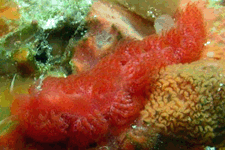
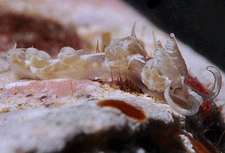
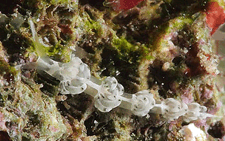
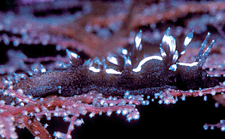
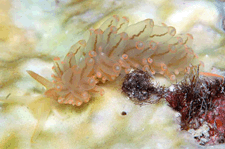
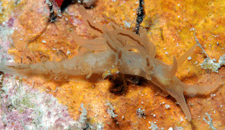
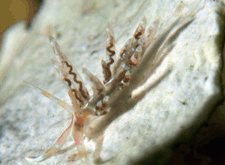
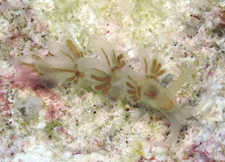
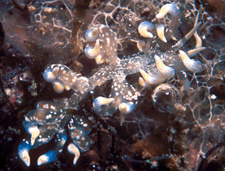
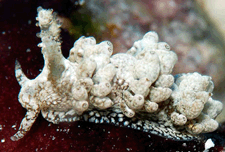
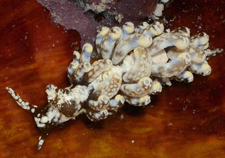
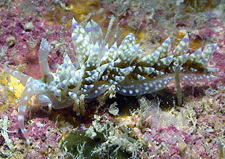
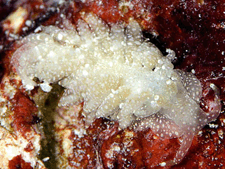
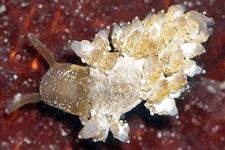
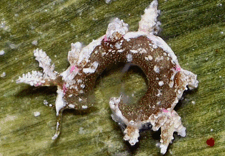
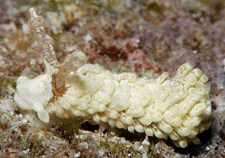
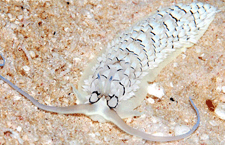
In the Marshalls, many eolids are small and scarce. Lots of species max out at less than 10mm, and at times the resolution of the photos reachable through this page is not ideal. In addition, there are a number of species we have recorded here for which we do not have pictures.
Korshunova et al (2017) recently split Flabellina into a number of different genera based primarily on molecular data. Generic differences can be somewhat subjective--just how much difference delineates where these generic lines should be drawn. Also, in many cases a species cannot be properly placed within a genus based solely on external characteristics. There remains some controversy about the genera within this family.
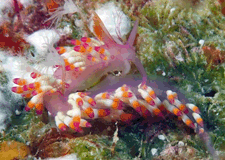
SAMLIDAE
UNIDENTIIDAE
FIONIDAE
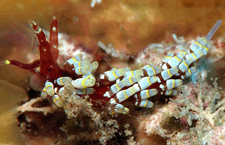
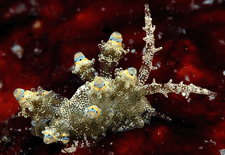
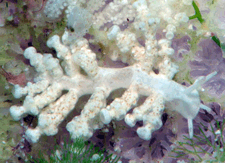
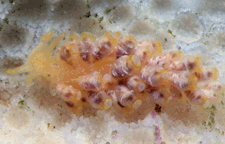
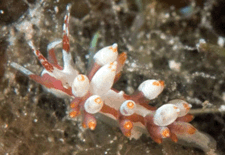
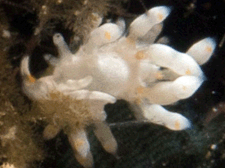
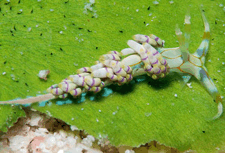
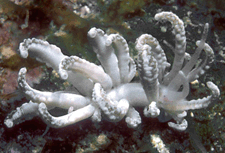
Like the Flabellinidae, this family has undergone considerable recent revision. In particular, the species in the genus Tenellia below were recently considered Cuthona by some and Trinchesia by others. There is still disagreement over where exactly they belong. We are leaving them mostly as Tenellia until the situation clears up a little better.
BABAKINIDAE
FACELINIDAE
MYRRHINIDAE
GLAUCIDAE
AEOLIDIIDAE
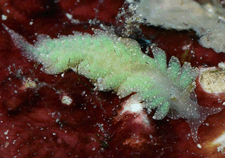
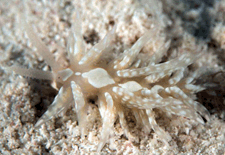
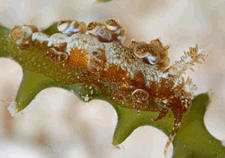
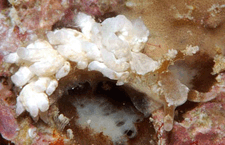
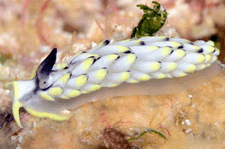
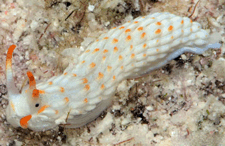
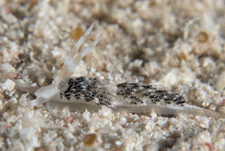
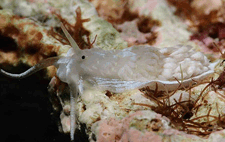
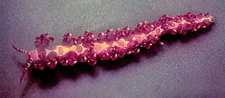
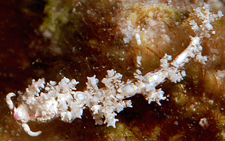
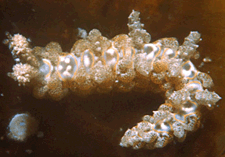
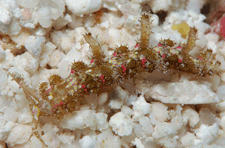
Family Unknown