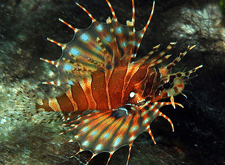
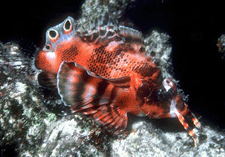
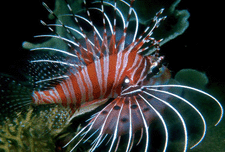
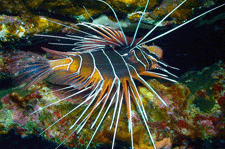
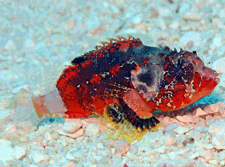
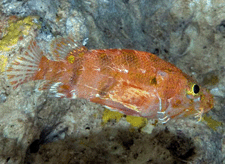
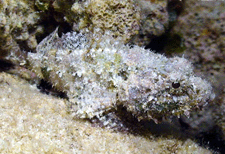
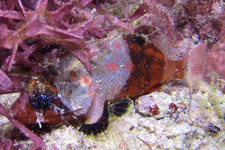
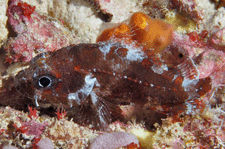
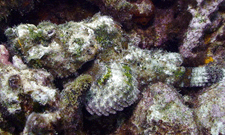
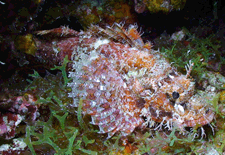
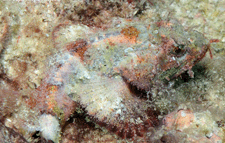
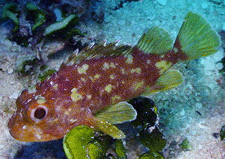
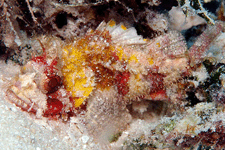
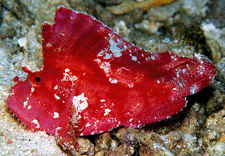
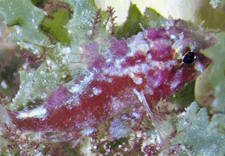
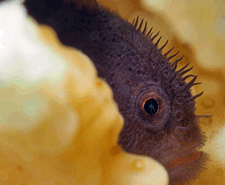
Kwajalein and the Marshalls are home to many different kinds of scorpionfish, including several for which we do not yet have photos.
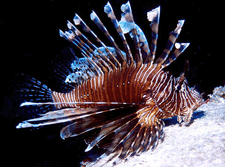
Five species of lionfish inhabit the waters around Kwajalein. None are especially rare, but some have nocturnal habits that keep them from being seen very often during the day. Lionfish, also sometimes called turkeyfish or zebrafish, are generally red to black in color and have well-developed pectoral fins that expand out in fans or elongate tendrils. All are predators upon living prey, usually small fish or crustaceans. Most of their relatives in the scorpionfish family are ambush predators, waiting for prey to come within reach before striking; the lions, however, are also capable of stalking their prey. All are armed with powerfully venomous dorsal, anal and pelvic spines used for defense rather than offense. People who have been stung (including both proprietors of this web site) can attest to the potency of the venom. The venom is kept in a pair of grooves on each spine, and both venom groove and spine are covered with a thin sheet of tissue. When the spine penetrates skin, the tissue tears, releasing venom into the wound. One of my encounters with a species of lionfish from Hawaii put three punctures in my right thumb. Over the next half hour to an hour, rather intense pain worked its way up my arm to my shoulder area, after which it gradually subsided. Fortunately, the primary symptom from a lionfish sting is pain; more serious symptoms are rare and, according to Beegbauer et al (2009) , alleged fatalities are unconfirmed. Some references suggest placing the injury in water as hot as you can stand to help kill the pain; however, Beegbauer et al (2009) say NOT to use hot water, apply a bandage or dig into the wound. The pain should subside, but if it persists or if there is excessive swelling, see a doctor. I will say, however, that the pain can be excruciating, and hot water does lessen it--but I do not know why it is not now recommended. Perhaps the risks of tissue damage from scalding oneself outweighs the dangers from the venom itself.
Scorpionfish (Scorpaeninae)
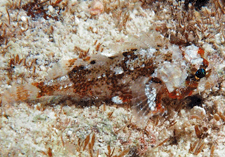
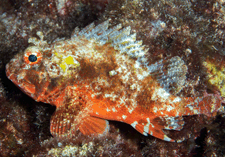
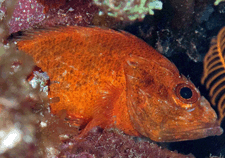
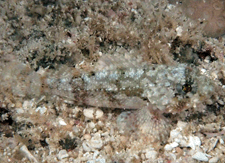
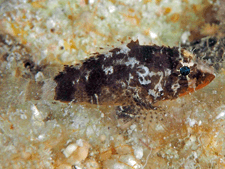
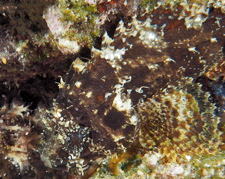
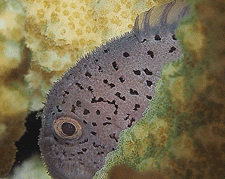
Scorpionfish are bottom dwellers that are typically ambush predators on passing fish and shrimp. There are numerous species here, but most are difficult to positively identify. Many species can vary considerably in color and general appearance, and some can be separated from similar species only when you have the fish in hand and can count the fin rays, spines or scales. Many of our IDs are tentative.
These have venomous spines and always live among the branches of living corals.
A few more scorpionfish have been reported from the Marshalls (links to Fishbase):
Parascorpaena
mossambica
Pontinus
rhodochrous
Scorpaenodes
minor
Scorpaenopsis
fowleri
Sebastapistes
mauritiana